By Kimberly Dawn Neumann
First comes love, then comes marriage, then comes happily ever after. End of story, right? Not quite… While it’s true that couples relax a bit after they think they’ve nabbed the matrimonial Holy Grail, the reality is that they may also find themselves dumbfounded if their fairytale starts slipping away. “Many people think that marriage is about marrying the right person, so when things go wrong, they automatically go to the ‘Crap, I accidentally married the wrong person’ place,” says Alisa Bowman, author of Project: Happily Ever After. “Although you do want to marry someone you are basically compatible with, marriage has a lot less to do with marrying the right person than it has to do with doing the right things with the person you married.” In other words, relationships are a constant work in progress. To keep the happy connection that made you say “I do” in the first place—or maybe even create a newer-and-improved version—try out these 10 tips to rehab your romance.
1. Nurture yourself.
Marriage is about giving, but don’t make the mistake of giving too much. “To have a good marriage, you need to be a good you,” says Bowman. “Learn how to prioritize and put boundaries around activities that keep you healthy and whole—activities like rest, relaxation, fitness and time with friends.” In other words, remember that scheduling “me” time into your day is not selfish, it’s a necessity. It will strengthen your relationship because you’ll have a saner version of “you” to bring to the “us” equation.
2. Define your problems.
Spend some time looking at your relationship and figure out which parts work and which parts don’t. Bowman suggests that you take a moment to imagine a perfect day in your perfect relationship. What would this look like? How would you and your partner interact? Then create a plan of how you might get from point A (your current reality) to point B (that perfect day). Write it down if you need to, then start breaking the issues into bite-size pieces and tackling them one at a time. Before you know it, there will only be a few bite-size problems left.
3. Make a financial plan together.
Money is one of the biggest stressors in a marriage. Couples worry and argue about it constantly. If you find you and your spouse are starting to badger each other over the bottom line, it’s time to have a penny-pinching powwow. “We are all guilty of something economists call ‘passive decision-making,’ which just means defaulting to the easy option,” says Jenny Anderson, coauthor of Spousonomics: Using Economics to Master Love, Marriage, and Dirty Dishes. “Couples need to make an active plan about how they will manage their money: Combine it? Separate it? Create a joint account and keep some separate? Whatever the decision, both people have to be part of the decision to do it and then figure out what needs to be done to keep the system humming.”
4. Use the three-sentence rule.
When you need to ask your partner for something that could be misconstrued as nagging, keep the request at three sentences—max. “The art of being assertive without coming off as aggressive lies in being succinct and using a warm tone of voice and body language,” says Bowman. “When you keep your requests to three sentences or fewer, it’s almost impossible to blame, use sarcasm or use put-downs.” It’s also a lot more likely that you’ll get your point across without losing your spouse’s attention. Make your request with a smile. Be sincere and encouraging. You might even rest your hand on his thigh as you say, “Honey, the house is a mess and I am exhausted. Could you help me clean this place up? I could really use your help.”
5. Take your fighting gloves off.
Don’t duke it out. Instead, consider taking a time-out. “There's a concept called 'loss aversion' in economics, which simply means we really hate to lose. And when we think we are losing, we fight like there is no tomorrow to try to win,” says Anderson. “It happens when couples talk about hot-button issues like sex, housework, money or the kids. If either person thinks he or she is losing, he or she will ratchet up the stakes and escalate the issue.” The next time you see a spousal spat going to a not-so-happy place, take a break and revisit the subject when neither one of you feels overwhelmed by the topic.
6. Just do it.
Yes, by “do it” we mean have sex. Intimacy is an important part of a vital relationship, and one of the first areas to suffer if feelings are floundering. But sexual encounters can also be one of the quickest ways to reconnect and rekindle with your partner. “Of the many forms of couple intimacy—a smile across a room, a kiss, a touch—sex has the potential to be the most powerful positive physical experience most of us enjoy,” says Joel D. Block, PhD, coauthor of Sex Comes First: 15 Ways to Save Your Relationship…Without Leaving Your Bedroom. “This is especially true if sex results in emotional fulfillment, better communication, security and reassurance."
Make your sex life a priority by following these five tips.
7. Burn your grudges.
It’s time to set some bad memories on fire. Literally. Sometimes hanging on to those “Do you remember the time you did such and such?” moments are the things that lead to relationship sabotage. Instead of carrying grudges around forever, torch them. “Write them all down on a piece of paper. Then set a timer for a certain amount of time. It might be 10 minutes. It might be 30. It might be the whole day. The point is: Give yourself as long as you need to really wallow in the misery of these grudges. Savor them. Get angry about them. Mutter about them. Do whatever you need to do to get sick and tired of them,” says Bowman. “Once you are done, say, ‘I will not think about these anymore. These grudges have lost their usefulness.’” Then take a match and burn them.
8. Don’t be overly confident.
Overconfidence can lead to complacency, which is not good for any relationship. According to Anderson, in a survey published in August 1993 in the journal Law and Human Behavior, couples who had recently applied for a marriage license were asked to estimate the average rate of divorce. Almost uniformly, they accurately predicted about 50 percent. Then they were asked to estimate the chances that they would get divorced. They answered zero percent. The problem with this statistic is that, if there is no perceived risk of failure, no “work” is put into maintaining the relationship—until it’s suddenly faltering. Don’t let yourself gloss over the little things. Don’t forget to make an effort to keep your romance alive. Don’t find yourself in a situation where you realize that you could have done more…when it’s already too late.
9. Write your spouse’s eulogy.
This one isn’t as macabre as it sounds. It’s more of an exercise in appreciation. Bowman suggests that you work on it a little at a time as a way to notice what your spouse does right (since these are the things you’d likely eulogize him with, not the negatives). “Think back over the years you’ve known this man. When did he make you laugh? When did he make you cry tears of joy? When did he surprise you? When did he feed the cat because the smell of cat food makes you want to hurl? Put it in the eulogy,” says Bowman. “The funeral fantasy will help you remember to appreciate your spouse.”
10. Remind yourself you have a choice to stay married.
Many people stay in troubled marriages because they believe they have no other choice. “They think that they are stuck, and they blame this sensation of being stuck on their spouse. But if you are stuck, it’s your fault and not your spouse’s,” says Bowman. That fact is, “you are not stuck; you have choices. Three of them: Do nothing and remain miserable; face your fears and try to save your marriage; ask for a divorce.” Choose to either be married or not. Make a choice. And wake up every morning and make that choice again. The surest path to happiness is knowing that you are not a helpless damsel in distress, but rather a woman who can make her own decisions. You have the choice to live happily ever after.
Original article appeared on WomansDay.com
Wednesday, March 30, 2011


Thursday, November 4, 2010
Let children be free
By ELAINE DONG
RESEARCH shows kids are not supposed to watch too much TV, and too much screen time (computers, video games, Wii, PlayStation) is bad for brain growth. And now you’re not supposed to fill their after-school hours with tuition or school work? What on earth are you supposed to do with your kids?
It’s simple, just let them be.
Children need freedom in the form of free time to exercise autonomy and develop independence, according to Dr Goh Chee Leong, child psychologist and Dean of the Faculty of Behavioural Sciences in HELP University College, Kuala Lumpur.
There are two key points that need to be driven home: children learn by doing and they have an innate intellectual curiosity from the age of one onwards. Their brains are designed to pick up information when they explore, touch and ask. So this desperate need by parents to “feed” information and knowledge to their child through tuition classes, right brain training, souped up flash card systems, computer classes and more, is not only unnecessary, it’s counter-productive.
Well-rounded: Children need free time to explore their interests and the world around them.
Over-scheduling your child may leave a permanently negative impact on his view of learning, equating it with stress, tiredness and a parent’s unreasonable expectations. Instead of helping him with school, as is the good intention of all parents, it turns him off.
“A child already spends between five to seven hours in school. The rest of his education needs to take place in other contexts – art and craft, reading, playing,” says Dr Goh.
A general rule of thumb is that 50% of the time a child can be guided through structured activity by the parent, and this includes breakfast, a trip to the park, music (singing or dance), reading and arts and crafts for younger kids (ages two to five), and school and tuition for older kids. The other 50% should be playtime, which includes little to no screen time.
For school-going kids (ages seven and above), Dr Goh recommends not more than two hours of school work per day after school. If you are sending your children for extra classes and tuition, keep to this time limit. The rest of the time, let them play, literally.
As a parent, you can still guide your child during this playtime. The younger child may need a little prompting; all you need to do is give him an option of two or three things to do. Would you like to play with your blocks today or colour?
Older kids may need little or no urging, although if they have been brought up on a staple diet of TV and video games, you may have a hard time weaning them off these in the beginning. Be clear that the free time is for them to explore their interests.
If your child is musically inclined, sign him up for music classes. If your child likes to work with his hands and is interested in gadgets, buy him something he can assemble, like a model car kit. If your child has no idea what he likes, now is the time to discover it with him and nurture that interest. It boils down to parents protecting children’s time, and not letting school and society dictate how a child’s life should be structured.
Parents are the boss, not the school or the Government. If you find schoolwork is taking up too much of a child’s time, and the school is unrelenting when it comes to extra tuition and extra homework, perhaps it’s time to rethink. Pull your child out and switch schools if you need to.
“In the (university) alumni, we see people transform from students to successful individuals,” says Dr Goh. “Usually the successful ones have parents who are more holistic and pursue a life of balance for their children. They’re not all about straight As and they treat school as only one pillar of their children’s life.
“They have allowed their kids freedom, freedom to mix with other kids and to pursue interests outside of school. These kids have developed social skills that allow them to carry on intelligent conversation during entrance interviews to Ivy League colleges. They ace their job interviews. They are adept at navigating the real world.”
Now before you go out and sign your child up for all kinds of recreational classes, you should also know you are not dictating to the child what his or her interest should be. It is the parent’s job to open up the child’s eyes to options available. It’s about breaking from the school curiculum and opening the child’s mind to the world.
Your child is the priority. You need to ensure your child has a holistic development.
“This doesn’t mean indulging in his every whim and fancy, but gently and firmly guiding him through his free time. Use your instincts. If your child hates piano and needs to be nagged before every lesson, perhaps it’s time to rethink the lessons.
“However, if your child is being a little difficult sometimes, then understand he will have good and bad days, just like adults. Teach him persistance through the bad days to arrive at the good ones,” says Dr Goh.
RESEARCH shows kids are not supposed to watch too much TV, and too much screen time (computers, video games, Wii, PlayStation) is bad for brain growth. And now you’re not supposed to fill their after-school hours with tuition or school work? What on earth are you supposed to do with your kids?
It’s simple, just let them be.
Children need freedom in the form of free time to exercise autonomy and develop independence, according to Dr Goh Chee Leong, child psychologist and Dean of the Faculty of Behavioural Sciences in HELP University College, Kuala Lumpur.
There are two key points that need to be driven home: children learn by doing and they have an innate intellectual curiosity from the age of one onwards. Their brains are designed to pick up information when they explore, touch and ask. So this desperate need by parents to “feed” information and knowledge to their child through tuition classes, right brain training, souped up flash card systems, computer classes and more, is not only unnecessary, it’s counter-productive.
Well-rounded: Children need free time to explore their interests and the world around them.
Over-scheduling your child may leave a permanently negative impact on his view of learning, equating it with stress, tiredness and a parent’s unreasonable expectations. Instead of helping him with school, as is the good intention of all parents, it turns him off.
“A child already spends between five to seven hours in school. The rest of his education needs to take place in other contexts – art and craft, reading, playing,” says Dr Goh.
A general rule of thumb is that 50% of the time a child can be guided through structured activity by the parent, and this includes breakfast, a trip to the park, music (singing or dance), reading and arts and crafts for younger kids (ages two to five), and school and tuition for older kids. The other 50% should be playtime, which includes little to no screen time.
For school-going kids (ages seven and above), Dr Goh recommends not more than two hours of school work per day after school. If you are sending your children for extra classes and tuition, keep to this time limit. The rest of the time, let them play, literally.
As a parent, you can still guide your child during this playtime. The younger child may need a little prompting; all you need to do is give him an option of two or three things to do. Would you like to play with your blocks today or colour?
Older kids may need little or no urging, although if they have been brought up on a staple diet of TV and video games, you may have a hard time weaning them off these in the beginning. Be clear that the free time is for them to explore their interests.
If your child is musically inclined, sign him up for music classes. If your child likes to work with his hands and is interested in gadgets, buy him something he can assemble, like a model car kit. If your child has no idea what he likes, now is the time to discover it with him and nurture that interest. It boils down to parents protecting children’s time, and not letting school and society dictate how a child’s life should be structured.
Parents are the boss, not the school or the Government. If you find schoolwork is taking up too much of a child’s time, and the school is unrelenting when it comes to extra tuition and extra homework, perhaps it’s time to rethink. Pull your child out and switch schools if you need to.
“In the (university) alumni, we see people transform from students to successful individuals,” says Dr Goh. “Usually the successful ones have parents who are more holistic and pursue a life of balance for their children. They’re not all about straight As and they treat school as only one pillar of their children’s life.
“They have allowed their kids freedom, freedom to mix with other kids and to pursue interests outside of school. These kids have developed social skills that allow them to carry on intelligent conversation during entrance interviews to Ivy League colleges. They ace their job interviews. They are adept at navigating the real world.”
Now before you go out and sign your child up for all kinds of recreational classes, you should also know you are not dictating to the child what his or her interest should be. It is the parent’s job to open up the child’s eyes to options available. It’s about breaking from the school curiculum and opening the child’s mind to the world.
Your child is the priority. You need to ensure your child has a holistic development.
“This doesn’t mean indulging in his every whim and fancy, but gently and firmly guiding him through his free time. Use your instincts. If your child hates piano and needs to be nagged before every lesson, perhaps it’s time to rethink the lessons.
“However, if your child is being a little difficult sometimes, then understand he will have good and bad days, just like adults. Teach him persistance through the bad days to arrive at the good ones,” says Dr Goh.
Wednesday, November 3, 2010
Opposition raised Sarawak autonomy issue: NO!
Taken from: The Borneo Post
Posted on November 4, 2010, Thursday
KUALA LUMPUR: Prime Minister Datuk Seri Najib Tun Razak said the opposition had deliberately raised the autonomy issue to arouse the people’s sentiments in order to win votes in the next general election.
He said the issue never came up before this as the government had kept to the agreement made with Sabah and Sarawak and carried out its responsibilities for the benefit of the people in the two states.
DayakBaru Thought:
Najib or the government can continue to deny or acknowledged that the many people in sarawak are already beginning to wonder whether forming Malaysia has given Sarawak expected benefits. In this blog, many young Dayak feels that Sarawak has not only being short change by the Federal Government but in fact we are being ” colonized” by Federal. Under the agreement, for example the civil service should have high Sarawak / Sabah man power content. This is not true today.
Tun Razak and taib brings Ningkan down
It is Tun Razak, Najib’s father that help to bring down Ningkan and thereby end Dayak hold as Chief minister of Sarawak. The Federal Government continue to work to ensure that the post of Chief minister remained in UMNO proxy hand. Even after knowing Taib’s corrupt practices, Najbi do nothing to correct the situation. Maybe the English saying of “birds of the same feather flocks together”. The Corruption index of the country is on an upward trend after two years!
Federal Government took Sarawak money and give peanuts to Sarawak for its development
What is more frustrating, the Federal Government pay only lip service to Sarawak development. Federal Government took the bulk of Sarawak oil and gas money, from then on Sarawak have to beg for money to develop Sarawak. Budget are given based on population, how can that be for sarawak? The Federal Government should practice rules of fair play, if Sarawak produce the money, given more to Sarawak. Now, we do not even have major road to link all the towns in Sarawak eg Kanowit to Kapit, Bintulu to Belaga, Miri to Marudi and many more other instances. How can the federal Government allow that?
Sarawak Dayak are not given individual land title
The people of Sarawak are not issued titles to their NCR land. A citizen, and a native of the soil at that is made to live without the security of owning a land title even after forming a new nation. How can that be acceptable. Federal Government has a say in such matters as the state government is their proxy. Of course blame cannot be put on the Federal Government shoulders only but the Federal Government must not be like an ostrich when they see sarawak is being victimized by its State Government.
Tun Razak help to remove Ningkan, through Rahman Yakub and Taib accusing Ningkan of selling sarawak to the Chinese through giving away timber license. The same could happen today, that Najib could also remove Taib because Taib is truly corrupted.
Najib can also stop appointing Taib as Chief Minister
The Chief minister of sarawak is appointed by the Chairman of Barisan Nasional. Why did Najib fear taib? Sarawak deliver the power to Najib and UMNO and therefor if Taib is corrupt to Najib’s crooked mind a small wrong by taib is acceptable compared to his big contribution to UMNO and Najib. How can that be so?
It is not the Opposition, it is the Sarawakian that wanted Sarawak to pull out of Malaysia
If the federal Government continue to ignore Sarawak it is therefore not surprising that many Sarawakian even question whether the act of forming Malaysia is legal after Singapore withdrawal. Not withstanding historical event, Sarawak feel that it may be better for Sarawak to cede from Malaysia and become an independent country by itself. Sarawakian sacrifice is taken up for granted by the Federal Government and adding salt to injury the Federal government continue to push for Malay agenda and sidelining the Dayak as bumiputera in the share of the economic cakes of this country.
Dayak fights the Rajah and now Dayak must fight the new colonial government in Putra jaya and its PBB proxy in Sarawak
We Sarawak need a Change WE Must and for the Dayak we are the people who fights the Rajah and it is time we pick our political war and fight our new colonial master, that is UMNO and its proxy in Sarawak.
“This issue (autonomy) is being raised solely for personal interest,” the prime minister said in his written reply to Lim Lip Eng (DAP-Segambut) in the Dewan Rakyat yesterday.
Lim had asked the prime minister to state the extent of autonomy enjoyed by Sabah and Sarawak and whether the federal government planned to give greater autonomy to the two states.
Is it true that Federal Government never interfere with Sarawak political process?
Najib said the federal government had never interfered in the democratic process of Sabah and Sarawak and gave full power to the people there to determine their own future through the election process.
Economic development is Sarawak is limited to the extraction of natural resources – it is not sustainable
Besides that, he said, the federal government had carried out its responsibility of protecting the rights of Sabah and Sarawak, like protecting Sabah’s sovereignty from the Philippines’ territorial claim on the state and intervening to resolve the border issues with Brunei and Indonesia. From the development aspect, Najib said the federal government had never sidelined Sabah and Sarawak, but would instead continue to assist the two states in economic development.
SCORE – what SCORE? Sarawakian never being part of it till today.
Najib said the federal government had introduced the Sabah Development Corridor (SDC) and Sarawak Corridor of Renewable Energy (SCORE) programmes to propel the two states’ economy and human capital development.
“If all quarters could give their cooperation, these development corridors could steer Sabah and Sarawak to a greater future,” he said. — Bernama
Posted on November 4, 2010, Thursday
KUALA LUMPUR: Prime Minister Datuk Seri Najib Tun Razak said the opposition had deliberately raised the autonomy issue to arouse the people’s sentiments in order to win votes in the next general election.
He said the issue never came up before this as the government had kept to the agreement made with Sabah and Sarawak and carried out its responsibilities for the benefit of the people in the two states.
DayakBaru Thought:
Najib or the government can continue to deny or acknowledged that the many people in sarawak are already beginning to wonder whether forming Malaysia has given Sarawak expected benefits. In this blog, many young Dayak feels that Sarawak has not only being short change by the Federal Government but in fact we are being ” colonized” by Federal. Under the agreement, for example the civil service should have high Sarawak / Sabah man power content. This is not true today.
Tun Razak and taib brings Ningkan down
It is Tun Razak, Najib’s father that help to bring down Ningkan and thereby end Dayak hold as Chief minister of Sarawak. The Federal Government continue to work to ensure that the post of Chief minister remained in UMNO proxy hand. Even after knowing Taib’s corrupt practices, Najbi do nothing to correct the situation. Maybe the English saying of “birds of the same feather flocks together”. The Corruption index of the country is on an upward trend after two years!
Federal Government took Sarawak money and give peanuts to Sarawak for its development
What is more frustrating, the Federal Government pay only lip service to Sarawak development. Federal Government took the bulk of Sarawak oil and gas money, from then on Sarawak have to beg for money to develop Sarawak. Budget are given based on population, how can that be for sarawak? The Federal Government should practice rules of fair play, if Sarawak produce the money, given more to Sarawak. Now, we do not even have major road to link all the towns in Sarawak eg Kanowit to Kapit, Bintulu to Belaga, Miri to Marudi and many more other instances. How can the federal Government allow that?
Sarawak Dayak are not given individual land title
The people of Sarawak are not issued titles to their NCR land. A citizen, and a native of the soil at that is made to live without the security of owning a land title even after forming a new nation. How can that be acceptable. Federal Government has a say in such matters as the state government is their proxy. Of course blame cannot be put on the Federal Government shoulders only but the Federal Government must not be like an ostrich when they see sarawak is being victimized by its State Government.
Tun Razak help to remove Ningkan, through Rahman Yakub and Taib accusing Ningkan of selling sarawak to the Chinese through giving away timber license. The same could happen today, that Najib could also remove Taib because Taib is truly corrupted.
Najib can also stop appointing Taib as Chief Minister
The Chief minister of sarawak is appointed by the Chairman of Barisan Nasional. Why did Najib fear taib? Sarawak deliver the power to Najib and UMNO and therefor if Taib is corrupt to Najib’s crooked mind a small wrong by taib is acceptable compared to his big contribution to UMNO and Najib. How can that be so?
It is not the Opposition, it is the Sarawakian that wanted Sarawak to pull out of Malaysia
If the federal Government continue to ignore Sarawak it is therefore not surprising that many Sarawakian even question whether the act of forming Malaysia is legal after Singapore withdrawal. Not withstanding historical event, Sarawak feel that it may be better for Sarawak to cede from Malaysia and become an independent country by itself. Sarawakian sacrifice is taken up for granted by the Federal Government and adding salt to injury the Federal government continue to push for Malay agenda and sidelining the Dayak as bumiputera in the share of the economic cakes of this country.
Dayak fights the Rajah and now Dayak must fight the new colonial government in Putra jaya and its PBB proxy in Sarawak
We Sarawak need a Change WE Must and for the Dayak we are the people who fights the Rajah and it is time we pick our political war and fight our new colonial master, that is UMNO and its proxy in Sarawak.
“This issue (autonomy) is being raised solely for personal interest,” the prime minister said in his written reply to Lim Lip Eng (DAP-Segambut) in the Dewan Rakyat yesterday.
Lim had asked the prime minister to state the extent of autonomy enjoyed by Sabah and Sarawak and whether the federal government planned to give greater autonomy to the two states.
Is it true that Federal Government never interfere with Sarawak political process?
Najib said the federal government had never interfered in the democratic process of Sabah and Sarawak and gave full power to the people there to determine their own future through the election process.
Economic development is Sarawak is limited to the extraction of natural resources – it is not sustainable
Besides that, he said, the federal government had carried out its responsibility of protecting the rights of Sabah and Sarawak, like protecting Sabah’s sovereignty from the Philippines’ territorial claim on the state and intervening to resolve the border issues with Brunei and Indonesia. From the development aspect, Najib said the federal government had never sidelined Sabah and Sarawak, but would instead continue to assist the two states in economic development.
SCORE – what SCORE? Sarawakian never being part of it till today.
Najib said the federal government had introduced the Sabah Development Corridor (SDC) and Sarawak Corridor of Renewable Energy (SCORE) programmes to propel the two states’ economy and human capital development.
“If all quarters could give their cooperation, these development corridors could steer Sabah and Sarawak to a greater future,” he said. — Bernama
Sabah 20 points / Sarawak 18 points agreement to form Malaysia
Written by Dr. John Brian Anthony
For further information in regards to the related article, kindly refer to Wikipedia.
Dayakbaru:
The 20 point agreement / 18 point agreement is between made between TWO countries ( Malaya and Sabah / Malaya and Sarawak).
Such being the case, no changes can be made on the agreement without the consent of the other. In the case, they seemed to be effort by the Federal Government to put aside this agreement or even ignore this agreement as it gets their way of integrating Sabah and sarawak according to West malaysia UMNO point of views and political agenda.
Sabah and sarawak must NEVER give up on this agreement as it provides us with more autonomy. The founding fathers has the foresight to see the greed of West Malaysian and sadly for Sabah since UMNO has come in and rule Sabah it has lost most of its autonomy. sarawak should continue to fight to uphold the 18 points agreement. While working with PKR those leaders from sarawak MUST insist that Pakatan Rakyat respect and enforce the 18 point agreement when they do come into power.
Monitor and review the implementation of the agreement
The government of Sarawak may like to consider setting a monitoring and reviewing committee to consolidate the implementation status and audit the programme that has been set to comply with the agreement. That will help Sarawak Malaysian to understand how much has been done in respect to the 18 point agreement.
Probably it would be good initiative to trace this document back in the UK to find more detail on the intent, spirit, process and even minutes of discussion leading to the signing of these agreement.
A memorandum for House of Lord in UK
Where is the Cobbold commission report now – probably in UK too. Malaya would never want to show it because the result is 33% want Malaysia, 33% do not want Malaysia and 33% undecided. How they concluded that Sabah and Sarawak should join Malaysia based on the statistics only “Allah” know. The British has some explaining to do to both Sarawak and sabah. Maybe a memorandum should be sent to the House of Lord to ask for explanation on the matter.
What is the agreement all about?
The 20-point agreement, or the 20-point memorandum, is an agreement made between the state of Sabah (then North Borneo) with what would be the federal government of Malaysia prior to the formation of Malaysia in September 16, 1963. A similar agreement was made between the state of Sarawak and the federal government but with certain differences in their 18-point agreement
The agreement
Point 1: Religion
While there was no objection to Islam being the national religion of Malaysia there should be no State religion in Borneo (Sarawak & Sabah), and the provisions relating to Islam in the present Constitution of Malaya should not apply to Borneo
Point 2: Language
* a. Malay should be the national language of the Federation
* b. English should continue to be used for a period of 10 years after Malaysia Day
* c. English should be an official language of Borneo (Sarawak & Sabah) for all purposes, State or Federal, without limitation of time.
Point 3: Constitution
Whilst accepting that the present Constitution of the Federation of Malaya should form the basis of the Constitution of Malaysia, the Constitution of Malaysia should be a completely new document drafted and agreed in the light of a free association of states and should not be a series of amendments to a Constitution drafted and agreed by different states in totally different circumstances. A new Constitution for Borneo (Sarawak & Sabah) was of course essential.
Point 4: Head of Federation
The Head of State in Borneo (Sarawak & Sabah) should not be eligible for election as Head of the Federation
Point 5: Name of Federation
“Malaysia” but not “Melayu Raya”
Point 6: Immigration
Control over immigration into any part of Malaysia from outside should rest with the Central Government but entry into Borneo (Sarawak & Sabah) should also require the approval of the State Government. The Federal Government should not be able to veto the entry of persons into Borneo (Sarawak & Sabah) for State Government purposes except on strictly security grounds. Borneo (Sarawak & Sabah) should have unfettered control over the movements of persons other than those in Federal Government employ from other parts of Malaysia Borneo (Sarawak & Sabah).
Point 7: Right of Secession
There should be no right to secede from the Federation
Point 8: Borneanisation
Borneanisation of the public service should proceed as quickly as possible.
Point 9: British Officers
Every effort should be made to encourage British Officers to remain in the public service until their places can be taken by suitably qualified people from Borneo (Sarawak & Sabah)
Point 10: Citizenship
The recommendation in paragraph 148(k) of the Report of the Cobbold Commission should govern the citizenship rights in the Federation of Borneo (Sarawak & Sabah) subject to the following amendments:
* a) sub-paragraph (i) should not contain the proviso as to five years residence
* b) in order to tie up with our law, sub-paragraph (ii)(a) should read “7 out of 10 years” instead of “8 out of 10 years”
* c) sub-paragraph (iii) should not contain any restriction tied to the citizenship of parents – a person born in Borneo (Sarawak & Sabah) after Malaysia must be federal citizen.
Point 11: Tariffs and Finance
Borneo (Sarawak & Sabah) should retain control of its own finance, development and tariff, and should have the right to work up its own taxation and to raise loans on its own credit.
Point 12: Special position of indigenous races
In principle, the indigenous races of Borneo (Sarawak & Sabah) should enjoy special rights analogous to those enjoyed by Malays in Malaya, but the present Malays’ formula in this regard is not necessarily applicable in Borneo(Sarawak & Sabah)
Point 13: State Government
* a) the Prime Minister should be elected by unofficial members of Legislative Council
* b) There should be a proper Ministerial system in Borneo (Sarawak & Sabah)
Point 14: Transitional period
This should be seven years and during such period legislative power must be left with the State of Borneo (Sarawak & Sabah) by the Constitution and not be merely delegated to the State Government by the Federal Government
Point 15: Education
The existing educational system of Borneo (Sarawak & Sabah) should be maintained and for this reason it should be under state control
Point 16: Constitutional safeguards
No amendment modification or withdrawal of any special safeguard granted to Borneo (Sarawak & Sabah) should be made by the Central Government without the positive concurrence of the Government of the State of North Borneo
The power of amending the Constitution of the State of Borneo (Sarawak & Sabah) should belong exclusively to the people in the state. (Note: The United Party, The Democratic Party and the Pasok Momogun Party considered that a three-fourth majority would be required in order to effect any amendment to the Federal and State Constitutions whereas the UNKO and USNO considered a two-thirds majority would be sufficient)
Point 17: Representation in Federal Parliament
This should take account not only of the population of Borneo (Sarawak & Sabah) but also of its seize and potentialities and in any case should not be less than that of Singapore
Point 18: Name of Head of State
Yang di-Pertua Negara
Point 19: Name of State
Sarawak or Sabah
Point 20: Land, Forests, Local Government, etc.
The provisions in the Constitution of the Federation in respect of the powers of the National Land Council should not apply in Borneo (Sarawak & Sabah). Likewise, the National Council for Local Government should not apply in Borneo (Sarawak & Sabah).
*Merger
In 1961, when the Malayan government began discussing a possible merger with neighbouring Singapore, Sabah, Sarawak and Brunei, problems of ethnic power relations arose again. The “Malaysia” proposal sans Sabah and Sarawak went back more than a decade; earlier negotiations had proved fruitless. The Singaporeans themselves were not anxious to be ruled by what they considered a Malay government. By 1961, however, Singapore had grown receptive to the idea of joining Malaysia, largely because of the prevailing idea at the time that industrial Singapore could not survive without access to Malayan markets.
Singapore Chinese population is a threat to Malaya
The Malayan government was not keen on having the Chinese Singaporean population push the Malays into a minority position in the new Malaysia. Many Malays felt that upsetting the Malay-dominated nature of the armed forces and police might place them in a dangerous situation. It was also argued that the inferior economic position of the Malays would be emphasised by the entry of even more rich Chinese, setting the stage for major discontent.
Malaya get Sabah and Sarawak to form Malaysia to make use of their native population numbers
The Malayans decided to resolve this by merging with Sabah and Sarawak; both British colonies had large native populations whom the government considered “Malay”. Under Article 160 of the Constitution, most of them were not Malay; the natives were mainly animists or Christians instead of Muslims as required. To resolve this issue, the government expanded its informal definition of “Malay” to include these people.
*The natives of Sarawak and Sabah are to be considered ‘Malays’ by the malayan union to solve their problems.. the ibans, the kenyahs, the bidayus, and etcs… My question is – is this true today or we from Sabah and Sarawak being con / cheated by UMNO Malaya?
Change WE Must
For further information in regards to the related article, kindly refer to Wikipedia.
Dayakbaru:
The 20 point agreement / 18 point agreement is between made between TWO countries ( Malaya and Sabah / Malaya and Sarawak).
Such being the case, no changes can be made on the agreement without the consent of the other. In the case, they seemed to be effort by the Federal Government to put aside this agreement or even ignore this agreement as it gets their way of integrating Sabah and sarawak according to West malaysia UMNO point of views and political agenda.
Sabah and sarawak must NEVER give up on this agreement as it provides us with more autonomy. The founding fathers has the foresight to see the greed of West Malaysian and sadly for Sabah since UMNO has come in and rule Sabah it has lost most of its autonomy. sarawak should continue to fight to uphold the 18 points agreement. While working with PKR those leaders from sarawak MUST insist that Pakatan Rakyat respect and enforce the 18 point agreement when they do come into power.
Monitor and review the implementation of the agreement
The government of Sarawak may like to consider setting a monitoring and reviewing committee to consolidate the implementation status and audit the programme that has been set to comply with the agreement. That will help Sarawak Malaysian to understand how much has been done in respect to the 18 point agreement.
Probably it would be good initiative to trace this document back in the UK to find more detail on the intent, spirit, process and even minutes of discussion leading to the signing of these agreement.
A memorandum for House of Lord in UK
Where is the Cobbold commission report now – probably in UK too. Malaya would never want to show it because the result is 33% want Malaysia, 33% do not want Malaysia and 33% undecided. How they concluded that Sabah and Sarawak should join Malaysia based on the statistics only “Allah” know. The British has some explaining to do to both Sarawak and sabah. Maybe a memorandum should be sent to the House of Lord to ask for explanation on the matter.
What is the agreement all about?
The 20-point agreement, or the 20-point memorandum, is an agreement made between the state of Sabah (then North Borneo) with what would be the federal government of Malaysia prior to the formation of Malaysia in September 16, 1963. A similar agreement was made between the state of Sarawak and the federal government but with certain differences in their 18-point agreement
The agreement
Point 1: Religion
While there was no objection to Islam being the national religion of Malaysia there should be no State religion in Borneo (Sarawak & Sabah), and the provisions relating to Islam in the present Constitution of Malaya should not apply to Borneo
Point 2: Language
* a. Malay should be the national language of the Federation
* b. English should continue to be used for a period of 10 years after Malaysia Day
* c. English should be an official language of Borneo (Sarawak & Sabah) for all purposes, State or Federal, without limitation of time.
Point 3: Constitution
Whilst accepting that the present Constitution of the Federation of Malaya should form the basis of the Constitution of Malaysia, the Constitution of Malaysia should be a completely new document drafted and agreed in the light of a free association of states and should not be a series of amendments to a Constitution drafted and agreed by different states in totally different circumstances. A new Constitution for Borneo (Sarawak & Sabah) was of course essential.
Point 4: Head of Federation
The Head of State in Borneo (Sarawak & Sabah) should not be eligible for election as Head of the Federation
Point 5: Name of Federation
“Malaysia” but not “Melayu Raya”
Point 6: Immigration
Control over immigration into any part of Malaysia from outside should rest with the Central Government but entry into Borneo (Sarawak & Sabah) should also require the approval of the State Government. The Federal Government should not be able to veto the entry of persons into Borneo (Sarawak & Sabah) for State Government purposes except on strictly security grounds. Borneo (Sarawak & Sabah) should have unfettered control over the movements of persons other than those in Federal Government employ from other parts of Malaysia Borneo (Sarawak & Sabah).
Point 7: Right of Secession
There should be no right to secede from the Federation
Point 8: Borneanisation
Borneanisation of the public service should proceed as quickly as possible.
Point 9: British Officers
Every effort should be made to encourage British Officers to remain in the public service until their places can be taken by suitably qualified people from Borneo (Sarawak & Sabah)
Point 10: Citizenship
The recommendation in paragraph 148(k) of the Report of the Cobbold Commission should govern the citizenship rights in the Federation of Borneo (Sarawak & Sabah) subject to the following amendments:
* a) sub-paragraph (i) should not contain the proviso as to five years residence
* b) in order to tie up with our law, sub-paragraph (ii)(a) should read “7 out of 10 years” instead of “8 out of 10 years”
* c) sub-paragraph (iii) should not contain any restriction tied to the citizenship of parents – a person born in Borneo (Sarawak & Sabah) after Malaysia must be federal citizen.
Point 11: Tariffs and Finance
Borneo (Sarawak & Sabah) should retain control of its own finance, development and tariff, and should have the right to work up its own taxation and to raise loans on its own credit.
Point 12: Special position of indigenous races
In principle, the indigenous races of Borneo (Sarawak & Sabah) should enjoy special rights analogous to those enjoyed by Malays in Malaya, but the present Malays’ formula in this regard is not necessarily applicable in Borneo(Sarawak & Sabah)
Point 13: State Government
* a) the Prime Minister should be elected by unofficial members of Legislative Council
* b) There should be a proper Ministerial system in Borneo (Sarawak & Sabah)
Point 14: Transitional period
This should be seven years and during such period legislative power must be left with the State of Borneo (Sarawak & Sabah) by the Constitution and not be merely delegated to the State Government by the Federal Government
Point 15: Education
The existing educational system of Borneo (Sarawak & Sabah) should be maintained and for this reason it should be under state control
Point 16: Constitutional safeguards
No amendment modification or withdrawal of any special safeguard granted to Borneo (Sarawak & Sabah) should be made by the Central Government without the positive concurrence of the Government of the State of North Borneo
The power of amending the Constitution of the State of Borneo (Sarawak & Sabah) should belong exclusively to the people in the state. (Note: The United Party, The Democratic Party and the Pasok Momogun Party considered that a three-fourth majority would be required in order to effect any amendment to the Federal and State Constitutions whereas the UNKO and USNO considered a two-thirds majority would be sufficient)
Point 17: Representation in Federal Parliament
This should take account not only of the population of Borneo (Sarawak & Sabah) but also of its seize and potentialities and in any case should not be less than that of Singapore
Point 18: Name of Head of State
Yang di-Pertua Negara
Point 19: Name of State
Sarawak or Sabah
Point 20: Land, Forests, Local Government, etc.
The provisions in the Constitution of the Federation in respect of the powers of the National Land Council should not apply in Borneo (Sarawak & Sabah). Likewise, the National Council for Local Government should not apply in Borneo (Sarawak & Sabah).
*Merger
In 1961, when the Malayan government began discussing a possible merger with neighbouring Singapore, Sabah, Sarawak and Brunei, problems of ethnic power relations arose again. The “Malaysia” proposal sans Sabah and Sarawak went back more than a decade; earlier negotiations had proved fruitless. The Singaporeans themselves were not anxious to be ruled by what they considered a Malay government. By 1961, however, Singapore had grown receptive to the idea of joining Malaysia, largely because of the prevailing idea at the time that industrial Singapore could not survive without access to Malayan markets.
Singapore Chinese population is a threat to Malaya
The Malayan government was not keen on having the Chinese Singaporean population push the Malays into a minority position in the new Malaysia. Many Malays felt that upsetting the Malay-dominated nature of the armed forces and police might place them in a dangerous situation. It was also argued that the inferior economic position of the Malays would be emphasised by the entry of even more rich Chinese, setting the stage for major discontent.
Malaya get Sabah and Sarawak to form Malaysia to make use of their native population numbers
The Malayans decided to resolve this by merging with Sabah and Sarawak; both British colonies had large native populations whom the government considered “Malay”. Under Article 160 of the Constitution, most of them were not Malay; the natives were mainly animists or Christians instead of Muslims as required. To resolve this issue, the government expanded its informal definition of “Malay” to include these people.
*The natives of Sarawak and Sabah are to be considered ‘Malays’ by the malayan union to solve their problems.. the ibans, the kenyahs, the bidayus, and etcs… My question is – is this true today or we from Sabah and Sarawak being con / cheated by UMNO Malaya?
Change WE Must
Subscribe to:
Posts (Atom)
beach
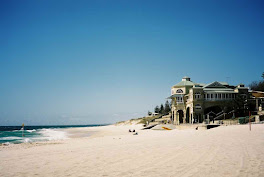
cottesloe beach restaurant
City of Perth
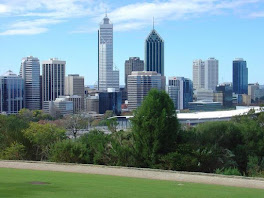
view from King's park
Houston TX

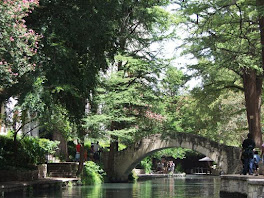
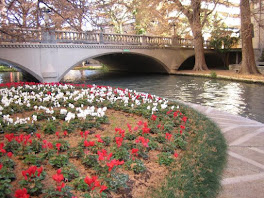
San antonio